




All about Sleeve Gastrectomy..
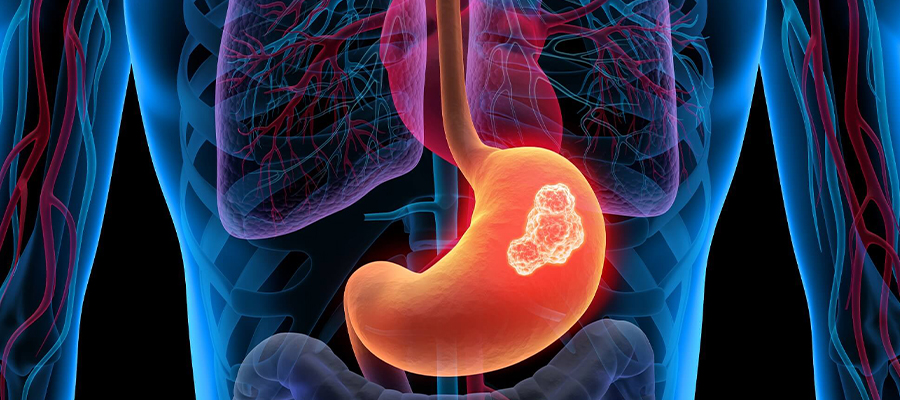
Stomach cancer is a serious health problem that occurs with the uncontrolled proliferation of cells lining the inner surface of the stomach. This disease, which usually manifests itself with digestive complaints, may not show symptoms in the early period. In this article, you can find an informative guide about the symptoms, causes, diagnosis, and treatment methods of stomach cancer.
What is Stomach Cancer?
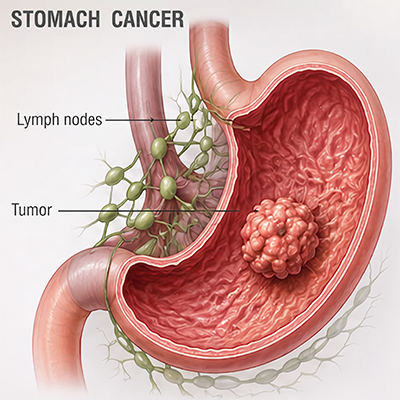
Stomach cancer is a type of cancer that begins in the mucosal cells that make up the inner layer of the stomach and can spread to the deeper layers of the stomach wall over time. As the disease progresses, it can spread to surrounding tissues, lymph nodes, and other organs. The most common type is adenocarcinoma, which originates from the cells that form the stomach glands.
The duty of the stomach is to break down the food taken and prepare it for digestion. Since the cancer developing in this organ can negatively affect the digestive function, its early detection is important in terms of both treatment options and quality of life. Stomach cancer is generally seen more frequently in individuals over 50 years of age; however, nutritional habits, genetic predisposition, and some infections can cause the disease to appear at earlier ages.
What are the Symptoms of Stomach Cancer?
Stomach cancer symptoms vary according to the stage of the disease. In the early period, complaints are mostly mild and can be confused with common stomach ailments. Therefore, it is important to consult a specialist for long-lasting digestive problems.
Common Symptoms
- Constant stomach ache or feeling of discomfort in the upper abdominal region
- Getting full quickly with little food and loss of appetite
- Unexplained weight loss
- Nausea, vomiting, or indigestion
- Difficulty swallowing
- Constant fatigue and weakness
- Blood in stool or vomit
The presence of these symptoms does not always mean stomach cancer; however, if the complaints last for a long time, an evaluation with examinations such as gastroscopy is required.
Causes and Risk Factors of Stomach Cancer
There is no single cause of stomach cancer; the risk of the disease can increase with the combination of many factors. Knowing the risk factors is valuable in terms of taking early precautions and having regular check-ups.
- Helicobacter pylori infection: This bacterium, which causes stomach inflammation, can increase the risk of cancer in the long term.
- Nutritional habits: Excessive consumption of salty, smoked, and processed foods.
- Smoking and alcohol consumption
- Genetic predisposition: Having a family history of stomach cancer.
- Chronic stomach inflammation (gastritis) and stomach polyps
- Advanced age and male gender
- Some previously undergone stomach surgeries
What are the Stages of Stomach Cancer?
Stomach cancer is divided into different stages according to the extent of the spread of the disease. Staging plays an important role in determining the treatment plan and predicting the process.
- Early stage: The cancer is limited only to the inner layer of the stomach and has not yet spread.
- Middle stage: The tumor may have reached the deeper layers of the stomach wall and nearby lymph nodes.
- Advanced stage: The cancer may have spread to surrounding organs or distant areas.
The treatment approach varies according to the stage; therefore, detailed examinations are performed for accurate staging.
How is Stomach Cancer Diagnosed?
For an accurate treatment plan, it is of great importance to detect stomach cancer early and clearly. During the diagnosis process, the patient’s complaints are evaluated, and various examinations are applied.
- Endoscopy (Gastroscopy): The inner surface of the stomach is directly examined with the help of a thin camera.
- Biopsy: Samples taken from suspicious tissues are evaluated in the laboratory.
- Imaging methods: The spread of the disease is examined with tests such as Computed Tomography (CT), MRI, and PET.
- Blood tests: General health status and some tumor markers are checked.
As a result of these evaluations, the stage of the disease is determined, and a personalized treatment approach is planned.
Stomach Cancer Treatment Methods
Stomach cancer treatment is planned according to the stage of the disease, the location of the tumor, and the general health status of the patient. Treatment is generally a multifaceted process where more than one method is applied together.
Surgical Treatment
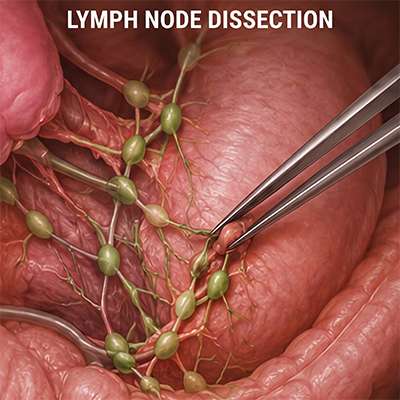
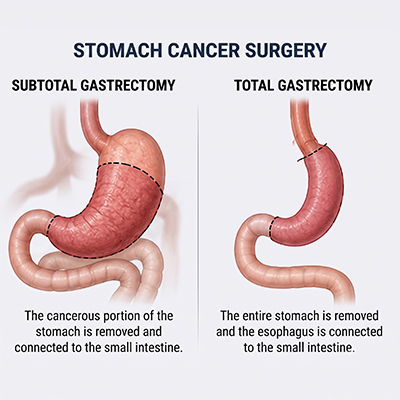
Surgery is one of the frequently used treatment options, especially in early and middle-stage stomach cancer. Depending on the size and location of the tumor, a part of the stomach (partial gastrectomy) or the whole of it (total gastrectomy) may be removed. During the surgery, the surrounding lymph nodes are also evaluated. The surgical decision is made specifically for the patient after detailed examinations.
Chemotherapy and Radiotherapy
Chemotherapy is a drug treatment that targets cancer cells and can be applied before surgery to shrink the tumor or afterward to affect the remaining cells. Radiotherapy targets cells in specific areas with radiation treatment. These methods are mostly planned together with surgery.
Targeted and Supportive Treatments
In some patients, targeted treatments may be preferred according to the characteristics of the tumor. In addition, nutritional support and practices aimed at increasing the quality of life are an important part of the treatment process.
When Should You Consult a Doctor?
If complaints in the stomach area do not pass in a short time or are gradually increasing, a specialist must be consulted. It is important to get an evaluation in the following situations:
- Stomach ache or indigestion lasting longer than two weeks
- Unexplained weight loss
- Significant decrease in appetite
- Difficulty swallowing or constant nausea
- Darkening of stool color or suspicion of bleeding
Although these symptoms do not always indicate a serious illness, early evaluation helps to detect possible risks in time.
Expert Approach to Stomach Cancer Treatment in Istanbul
Prof. Dr. Hasan Altun offers an informative and patient-oriented approach to patients in Istanbul with his experience in the field of stomach and digestive system surgery. The condition of each patient is different during the stomach cancer process; therefore, the treatment plan is evaluated individually.
From diagnosis to treatment, informing the patient correctly, answering their questions, and conveying a realistic process is of great importance. Patients seeking stomach cancer treatment in Istanbul are evaluated with current methods and a multidisciplinary perspective.
In a serious process like stomach cancer, the greatest need of patients is to reach reliable information and correct guidance. The fact that treatment decisions are based on scientific data, the active participation of the patient in the process, and the answering of all their questions form the basis of a trust-based patient-physician relationship.
Why is Early Diagnosis Important?
Early diagnosis in stomach cancer is one of the primary elements directly affecting treatment options and the course of the process. When the disease is caught at an early stage, the response to treatment can generally be more positive.
For this reason, it is recommended that individuals experiencing long-lasting stomach complaints, unexplained weight loss, or digestive problems consult a specialist. It is especially important for those with a family history of stomach cancer not to neglect their regular check-ups.
Post-Treatment Process and the Importance of Nutrition
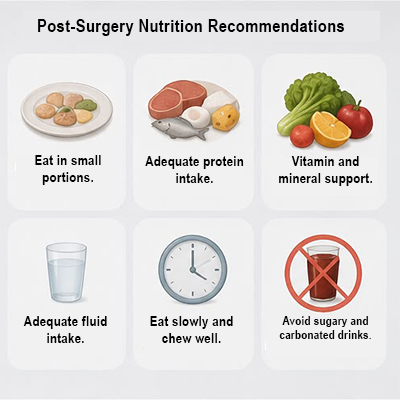
Following stomach cancer treatment, the diet plan is of great importance to maintain the patient’s quality of life. Especially in patients who have undergone stomach surgery, it is recommended to plan meals in small portions and at frequent intervals.
In the post-treatment period, regular check-ups are valuable in terms of early detection of a possible recurrence. Supporting the patient both physically and psychologically contributes positively to the healing process. In this process, the cooperation of a dietitian and relevant specialists plays an important role.

Frequently Asked Questions
1-What are the symptoms of stomach cancer?
Stomach cancer symptoms include constant stomach ache, loss of appetite, getting full quickly, unexplained weight loss, nausea, and difficulty swallowing. Since these symptoms can also be seen in other diseases, a clear evaluation can only be made by a specialist examination.
2-Can stomach cancer be treated?
Stomach cancer is a disease that can be managed with various methods, especially when detected at an early stage. The treatment process is planned according to the stage of the disease and the general condition of the patient. Since each patient’s process is different, the evaluation is made individually.
3-How is stomach cancer surgery performed?
In surgery, a part or all of the stomach may be removed depending on the location and size of the tumor. During the procedure, the surrounding lymph nodes are also examined. The suitability of the surgical method is determined specifically for the patient after detailed examinations.
4-At what age is stomach cancer seen?
Stomach cancer is generally seen more frequently over the age of 50. However, it can also occur at younger ages due to genetic predisposition, nutritional habits, and some infections.
5-What can be done to reduce the risk of stomach cancer?
Eating a balanced diet, avoiding smoking and alcohol, getting treated for Helicobacter pylori infection, and not neglecting regular check-ups can help reduce the risk. Early application is important in case of suspicious symptoms.
